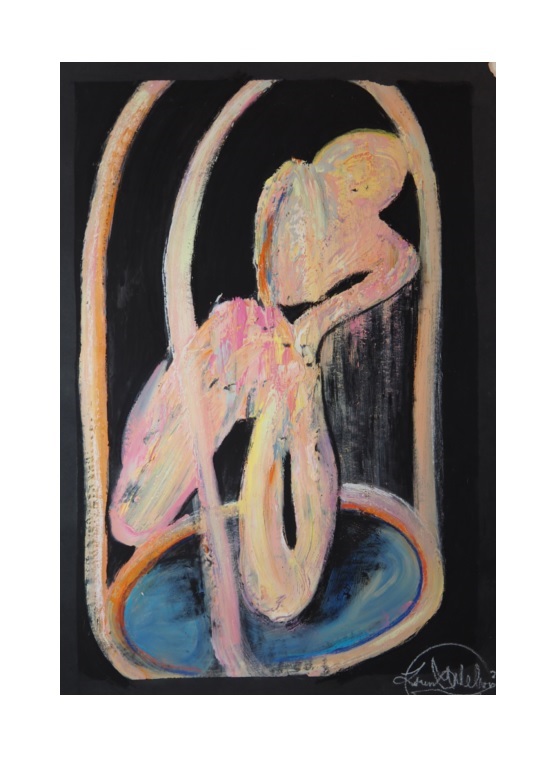
Bondage ça me plaît
Bologna
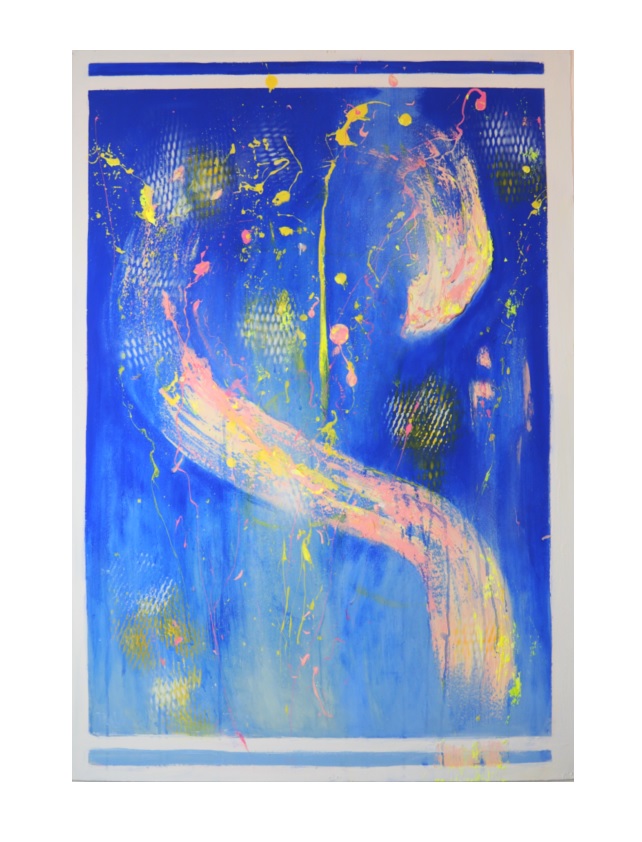
Domande dall’anima
Bologna
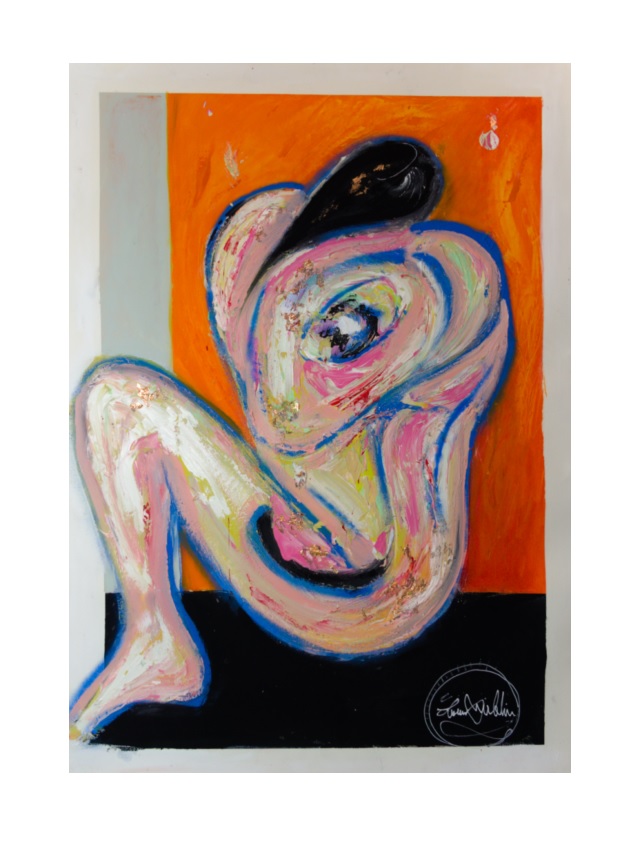
Il contorsionista
Bologna
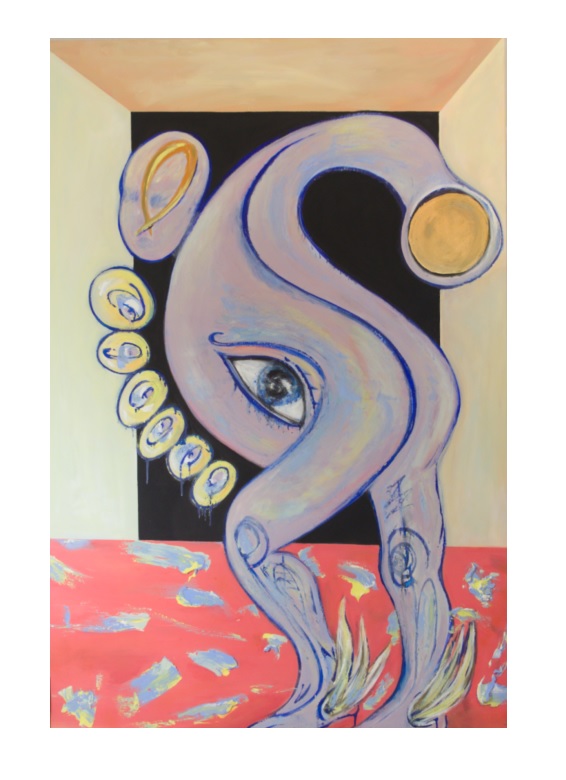
Le spalle dei giganti
Trieste
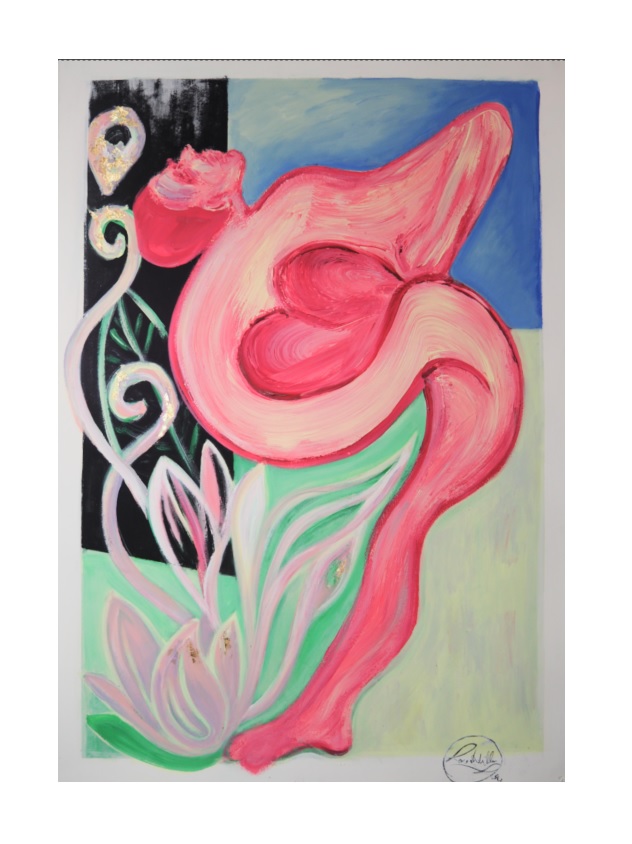
Petali e spine nella carne
Bologna
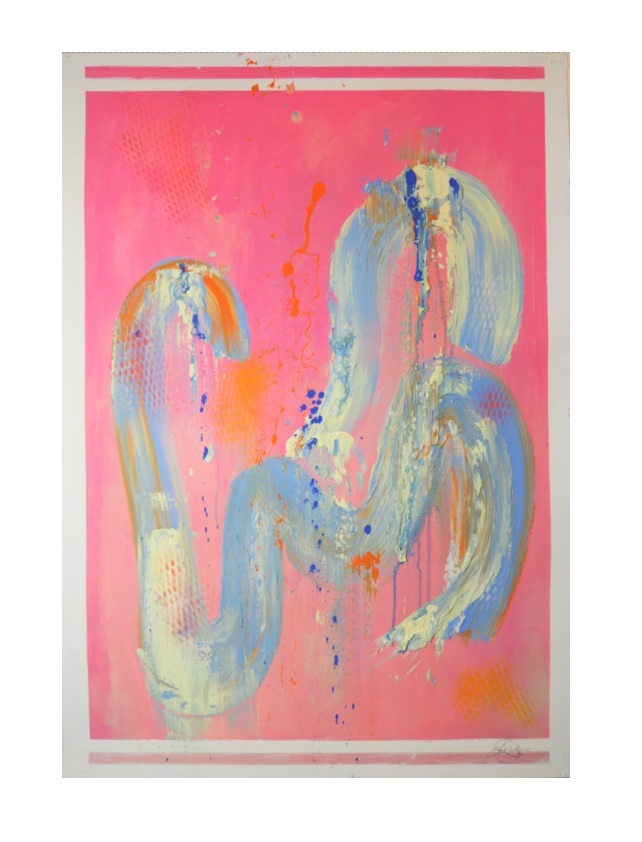
Pistillo avvelenato
Bologna
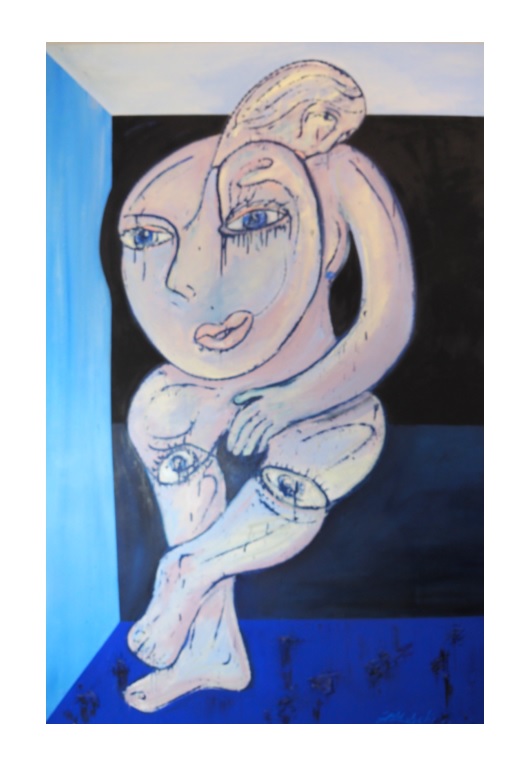
Saudade
Trieste
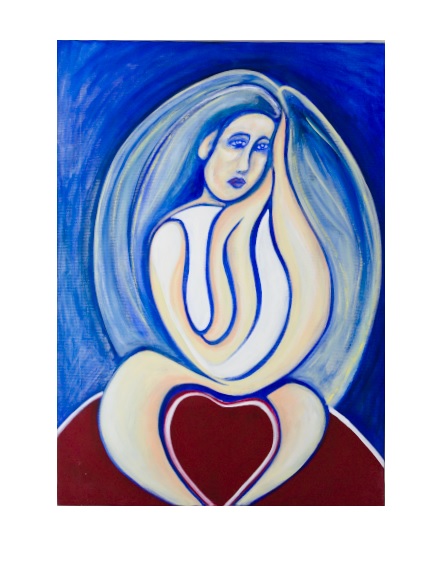
Cuore
Bologna
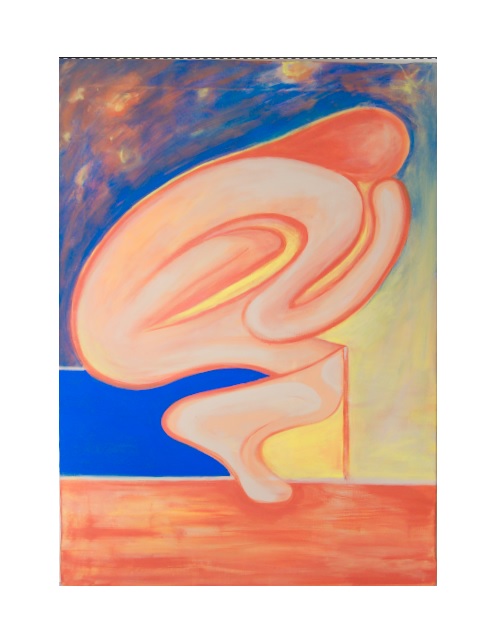
Pensatore
Bologna
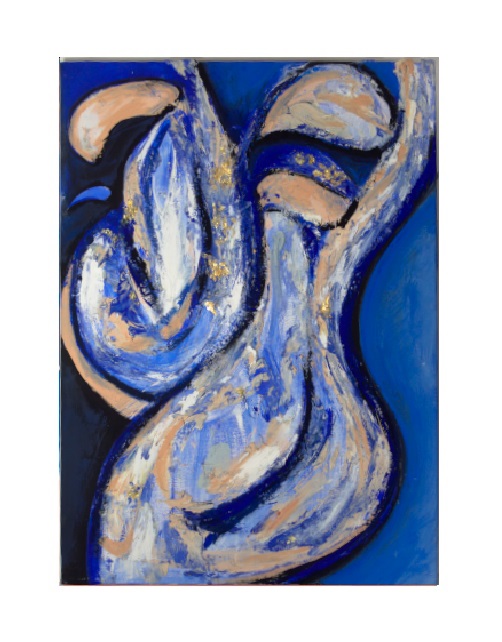
Sussurrando alla pelle
Bologna
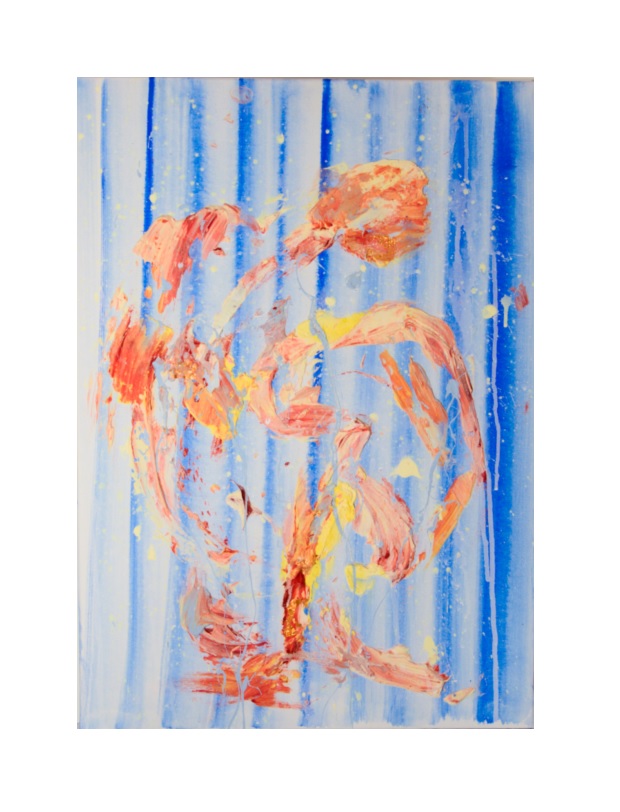
Fuoco fatuo
Bologna
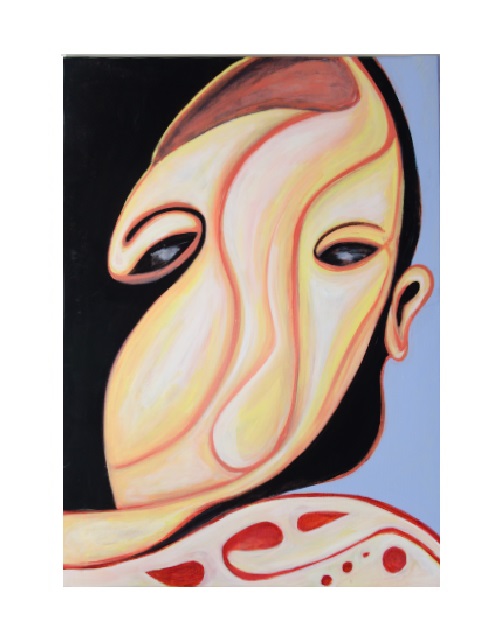
Postumi onirici
Bologna
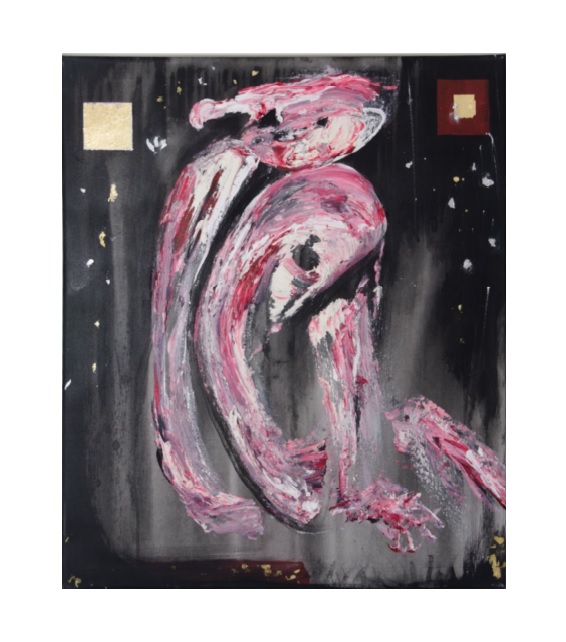
Pulsar immobile
Bologna
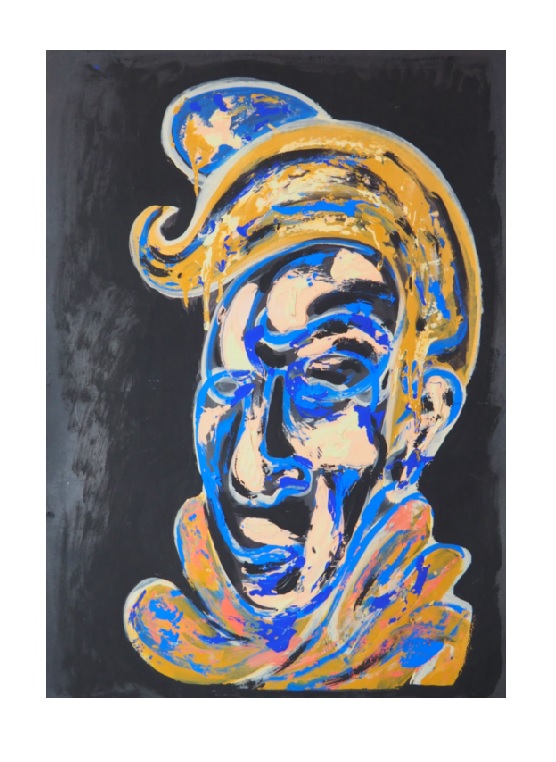
Ottenebrato dalla notte
Bologna
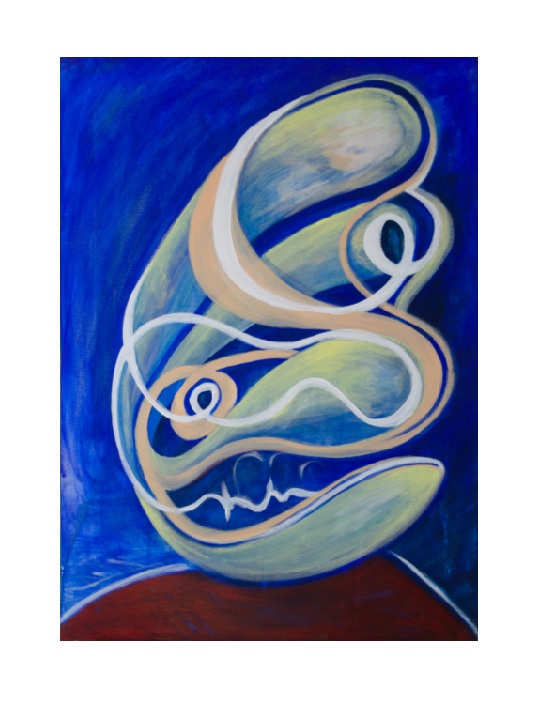
C’è chi dice di te
Bologna
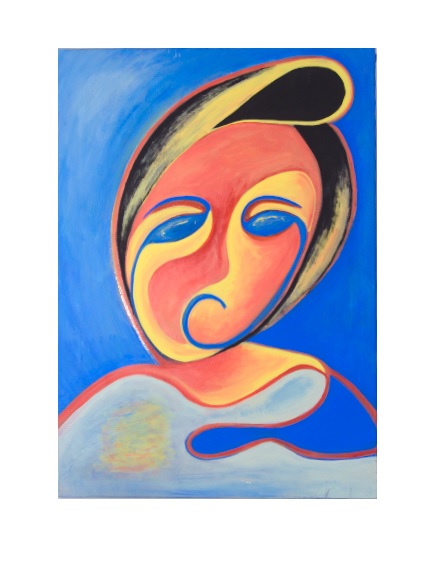
Albeggia
Bologna
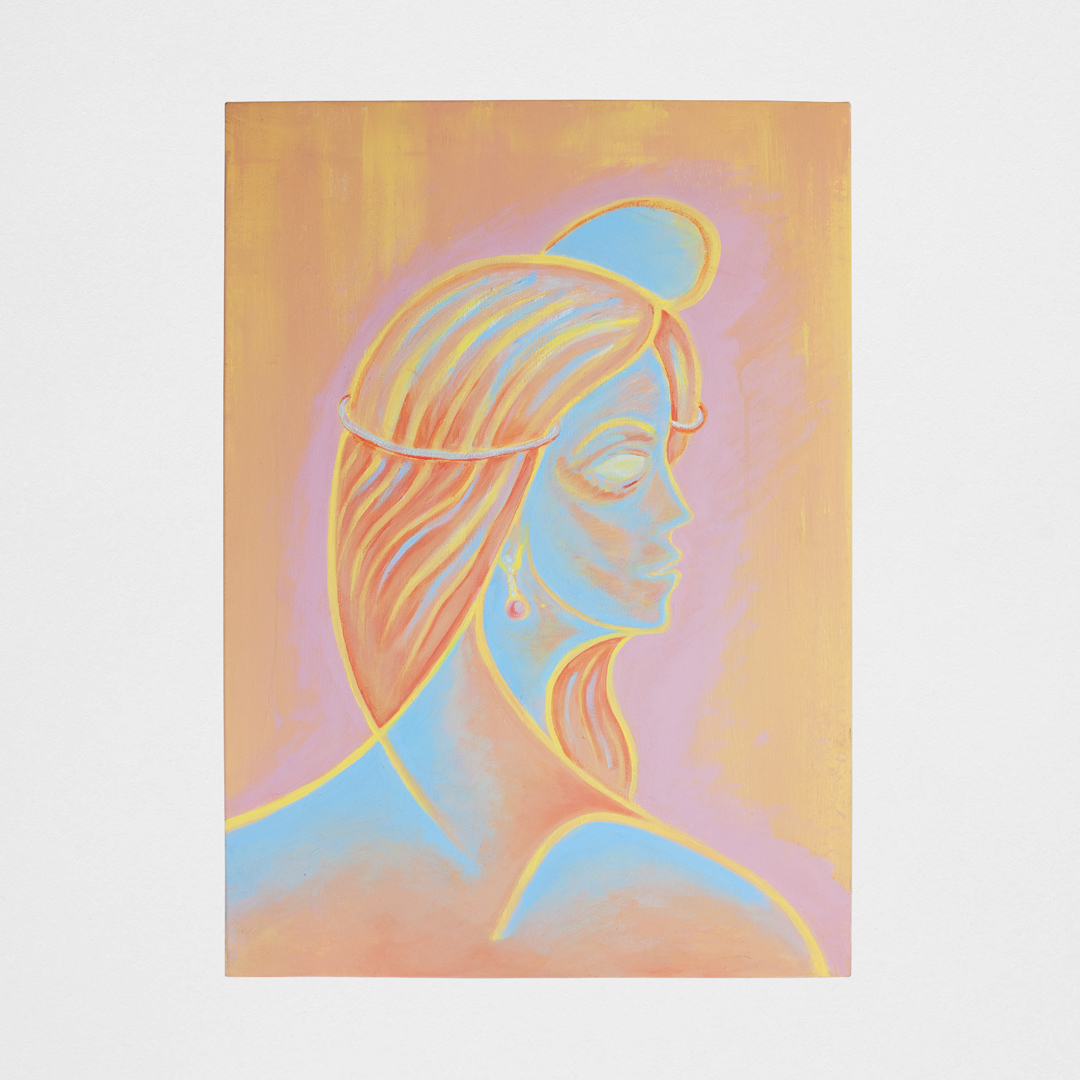
come un petalo
Bologna
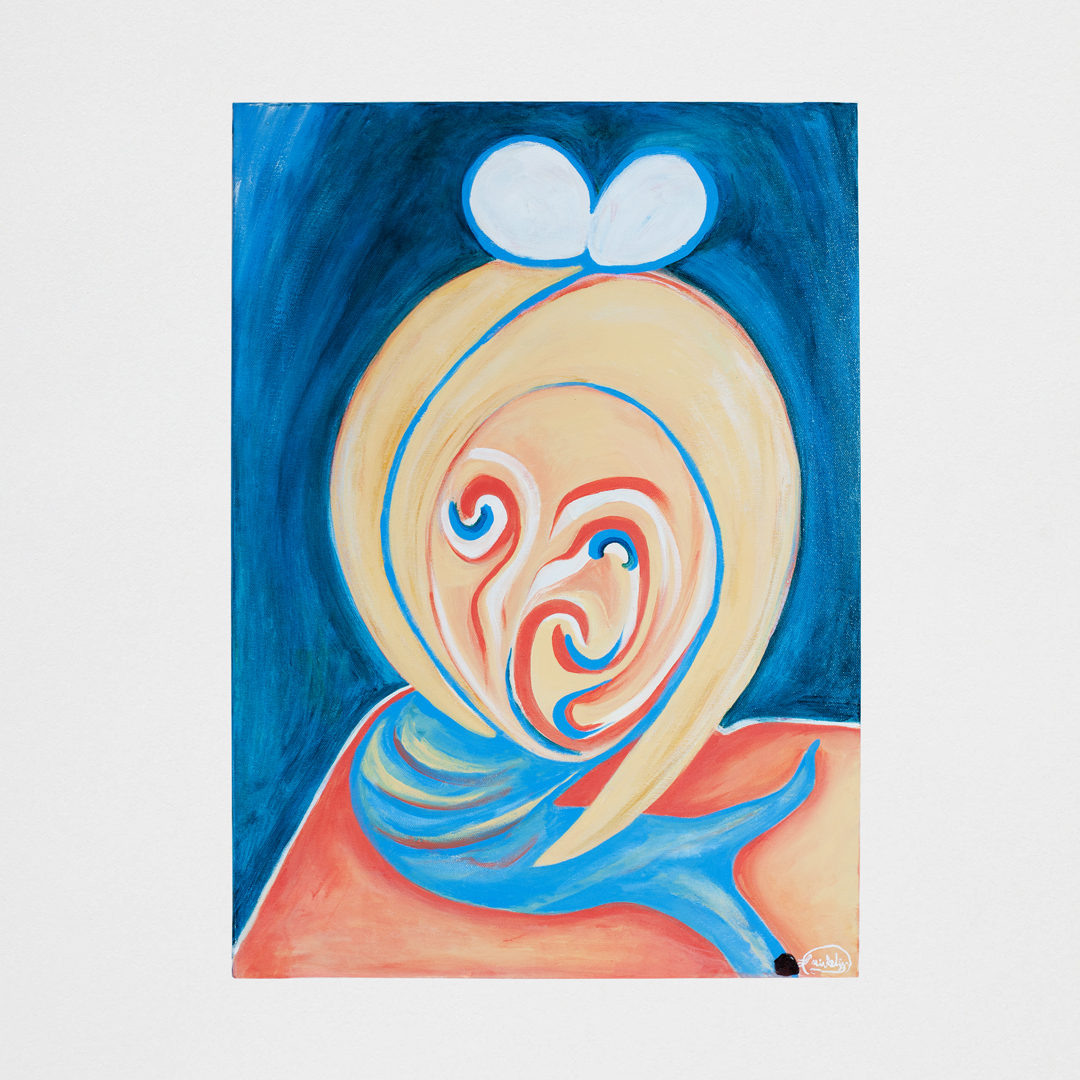
Sirena
Trieste
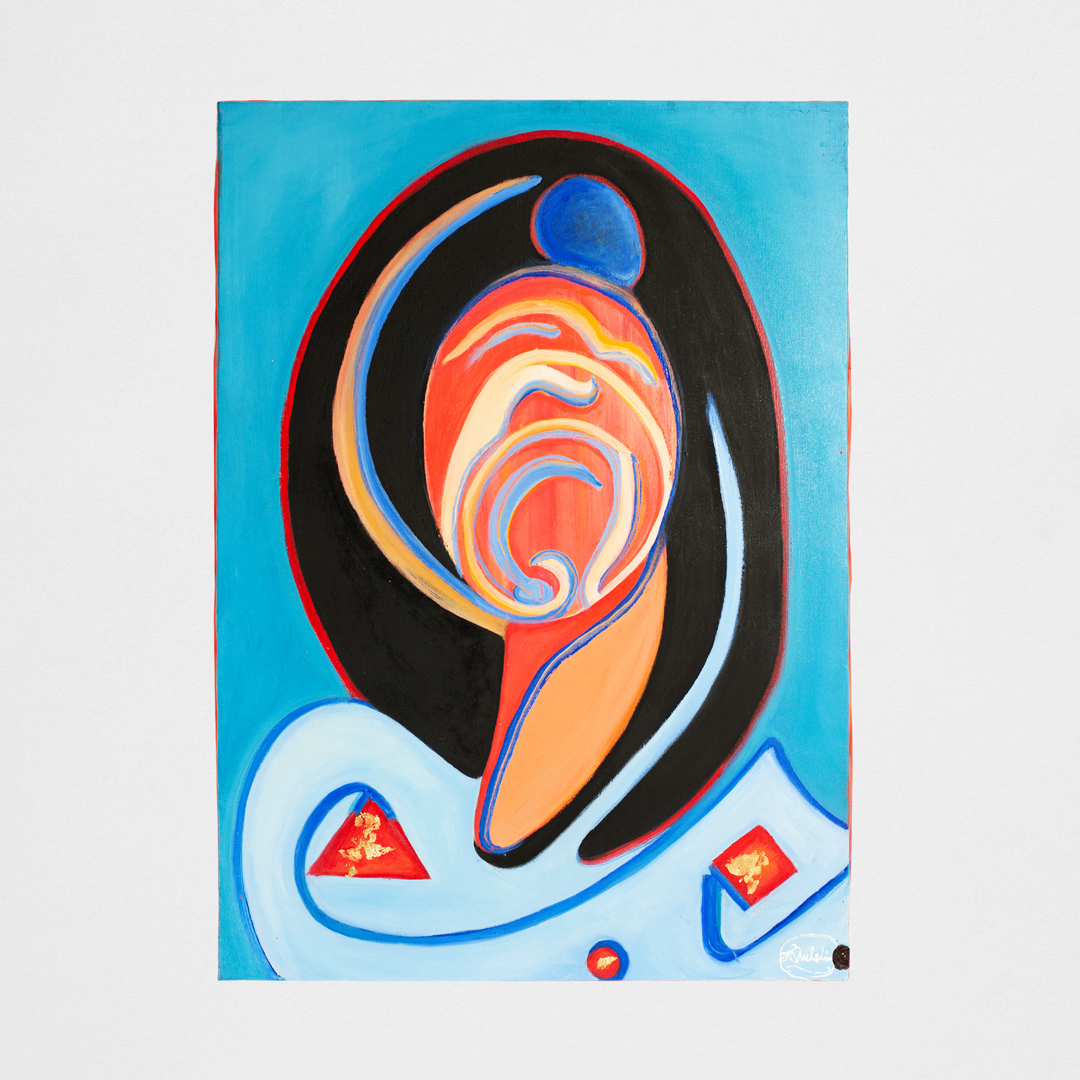
Osservare
Trieste
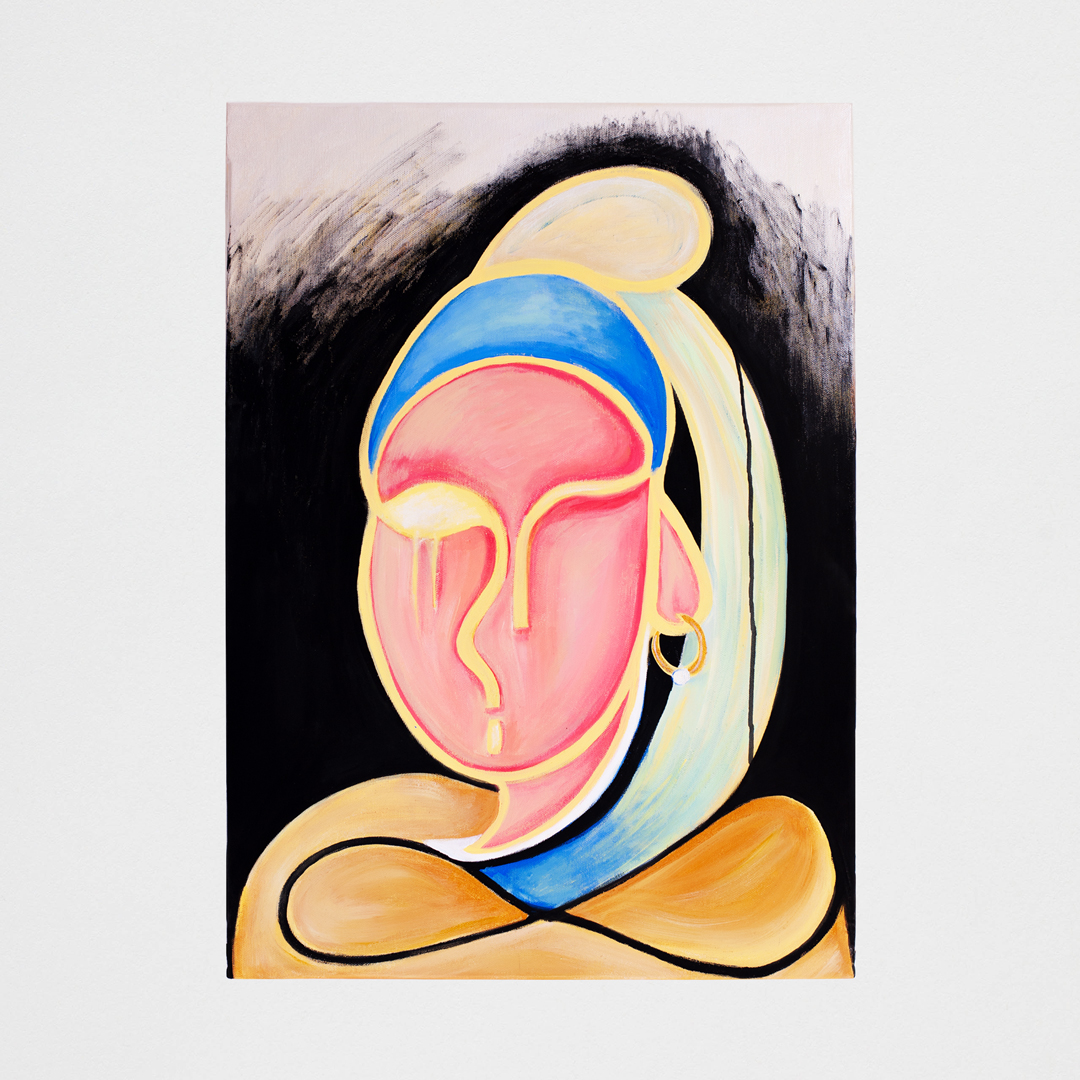
Perla
Trieste
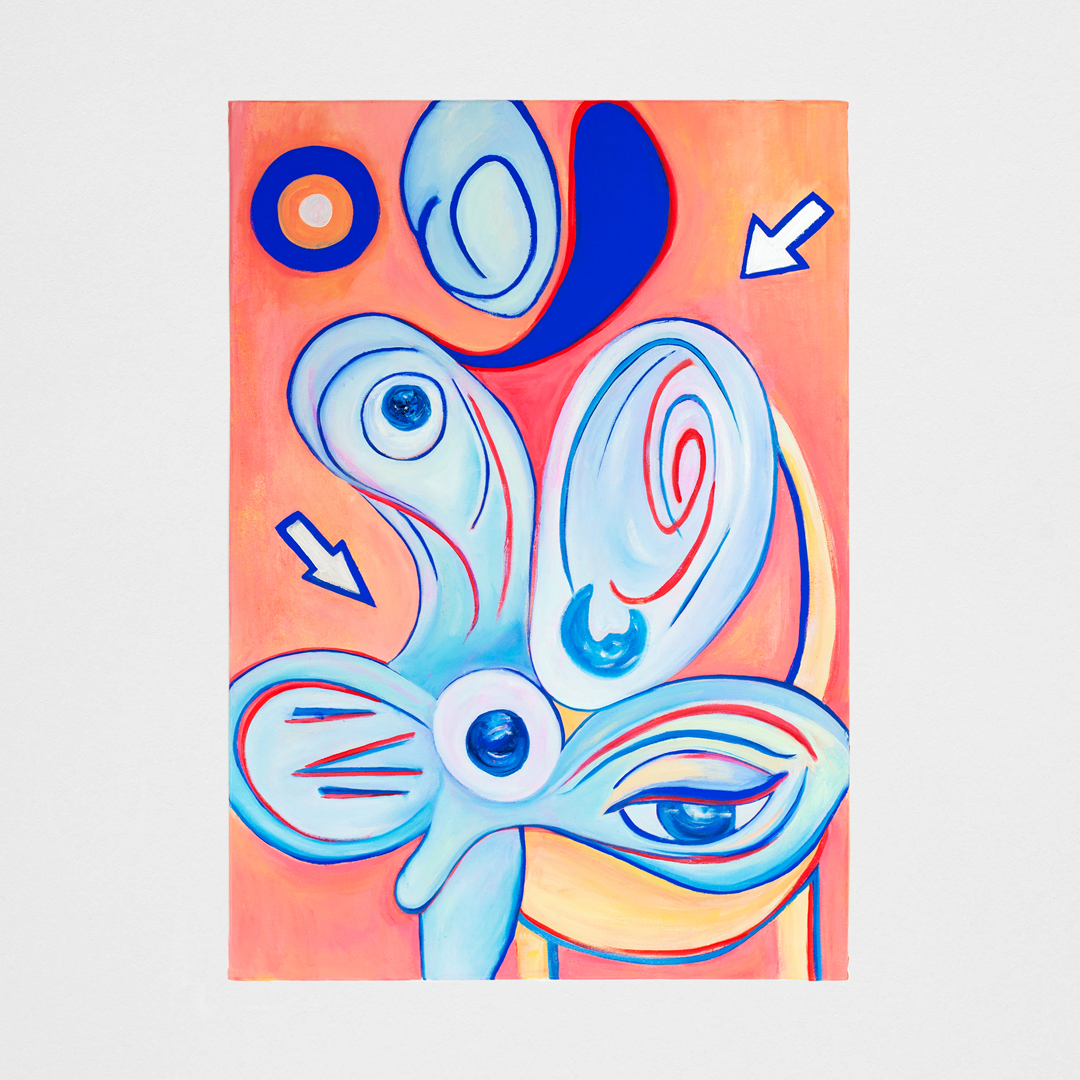
Il pensatore
Bologna
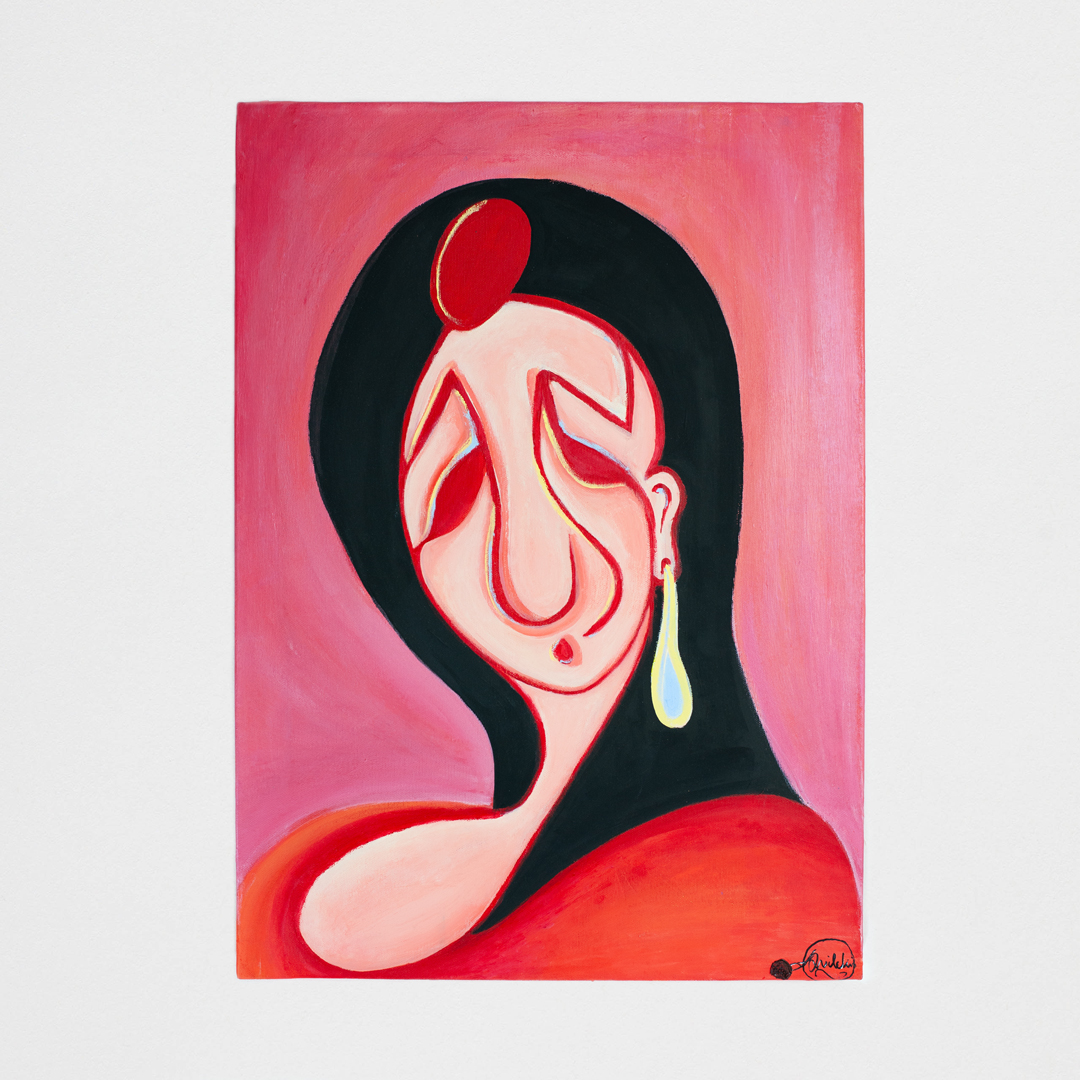
silvia
Trieste
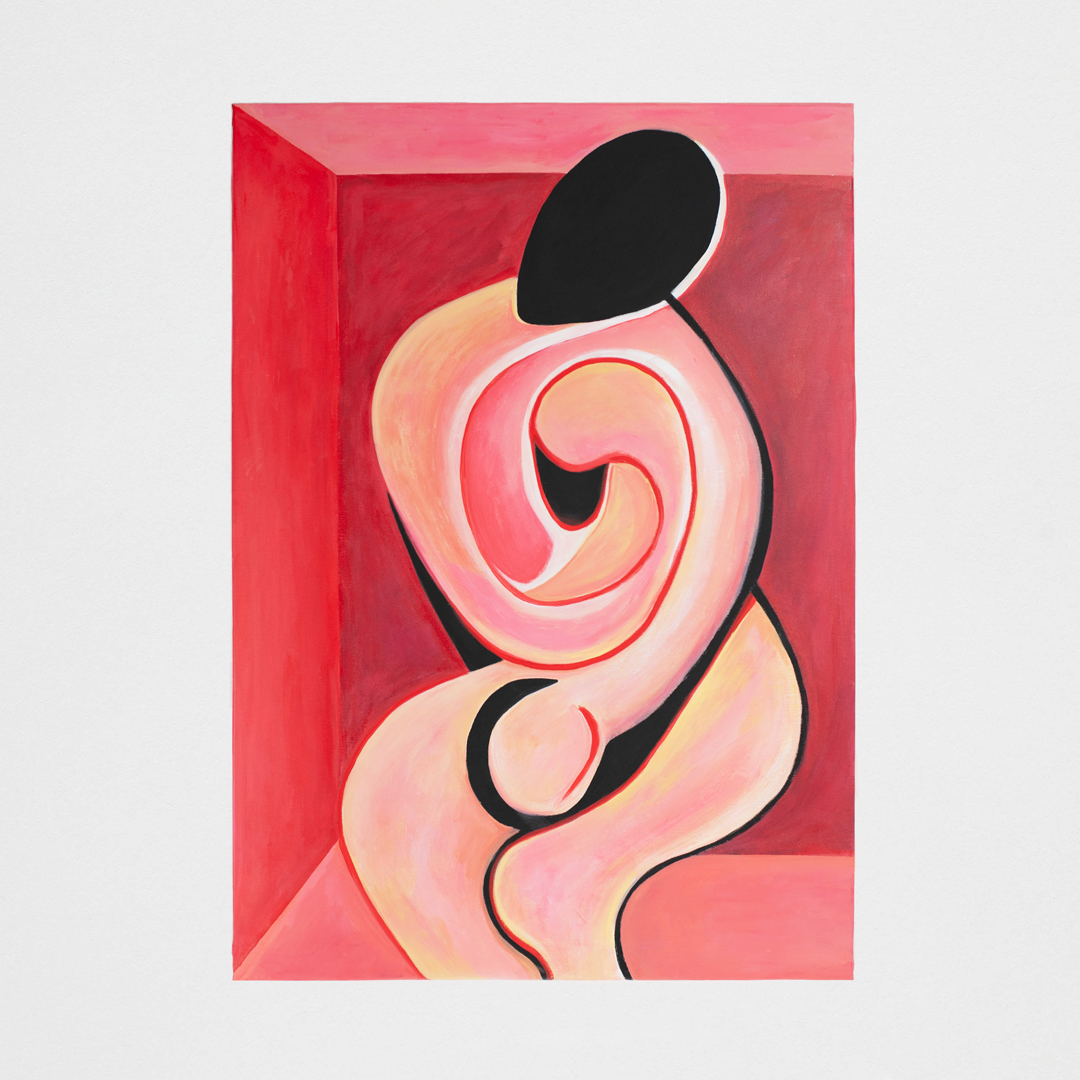
push!
Bologna
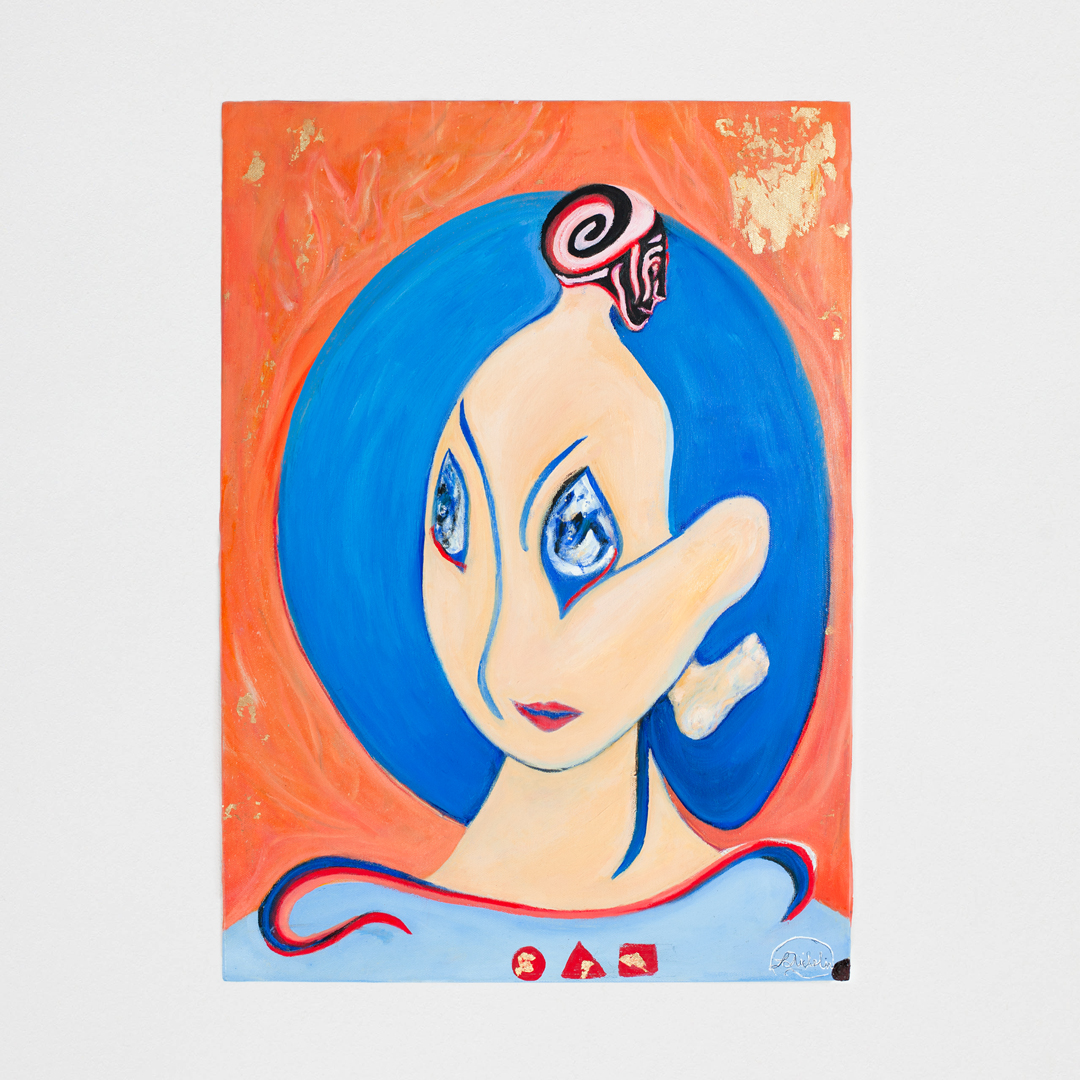
Meditare
Trieste
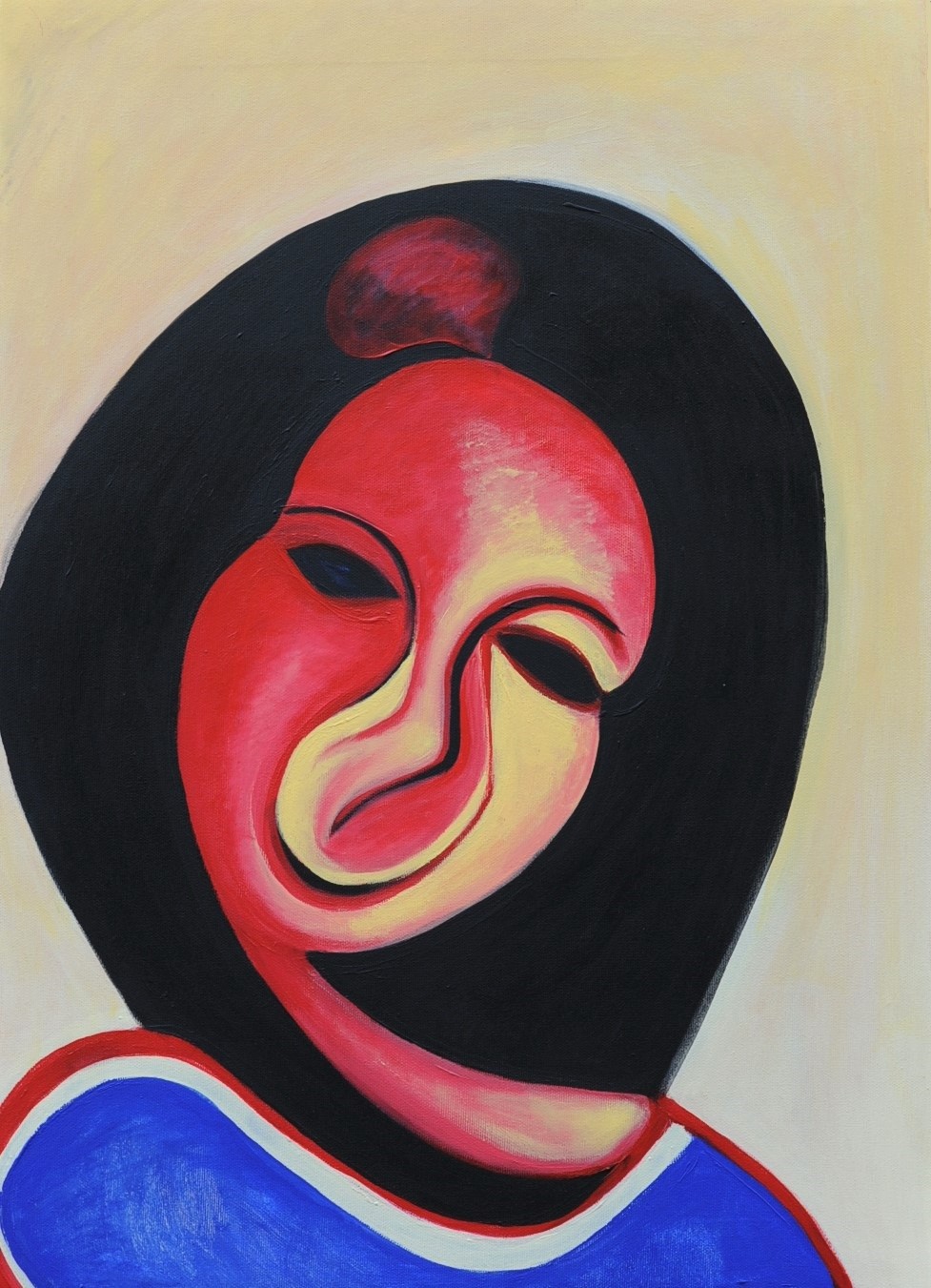
La nascita · Le Parche Clementi 1/3
Trieste
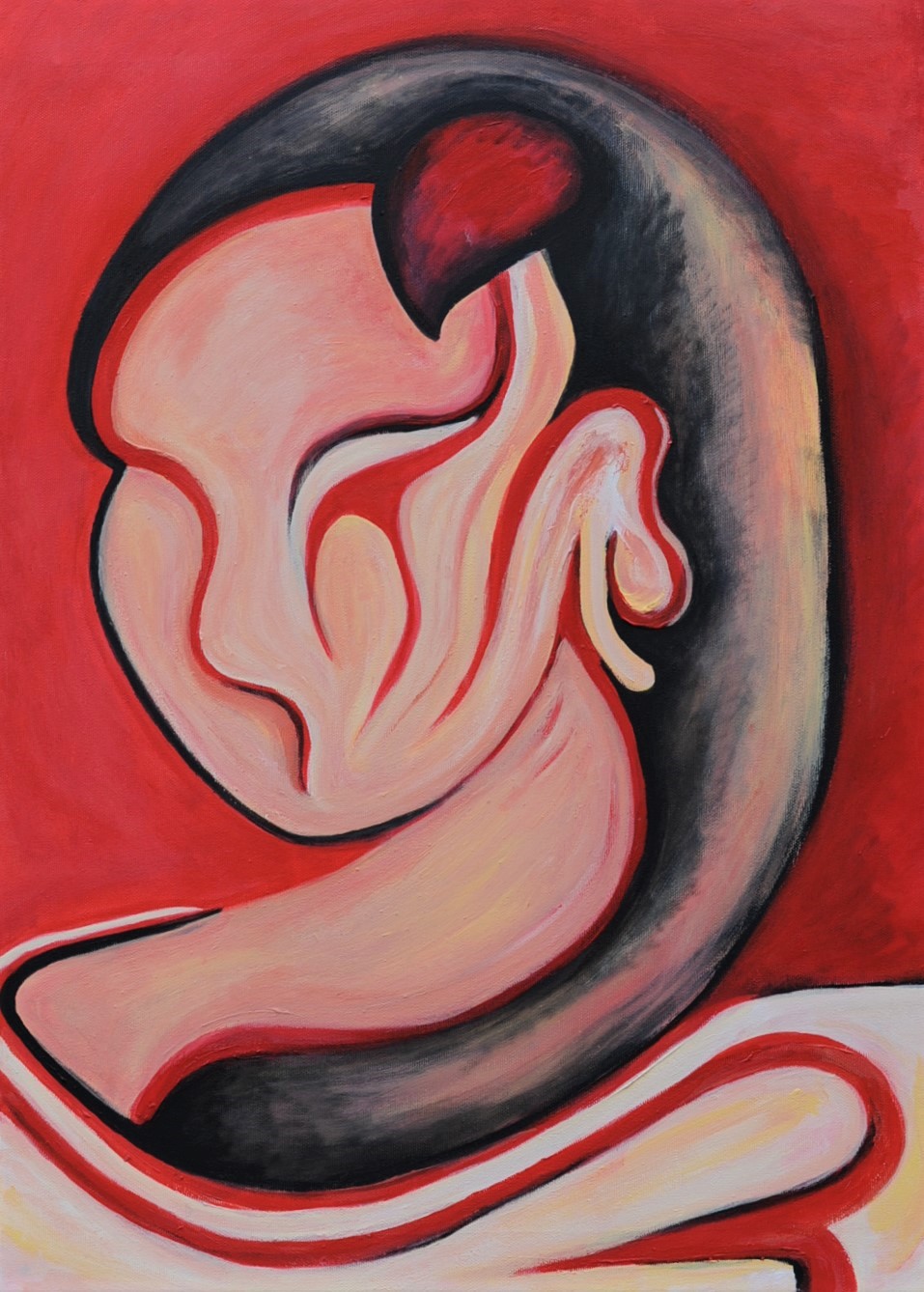
La morte · Le Parche Clementi 3/3
Trieste
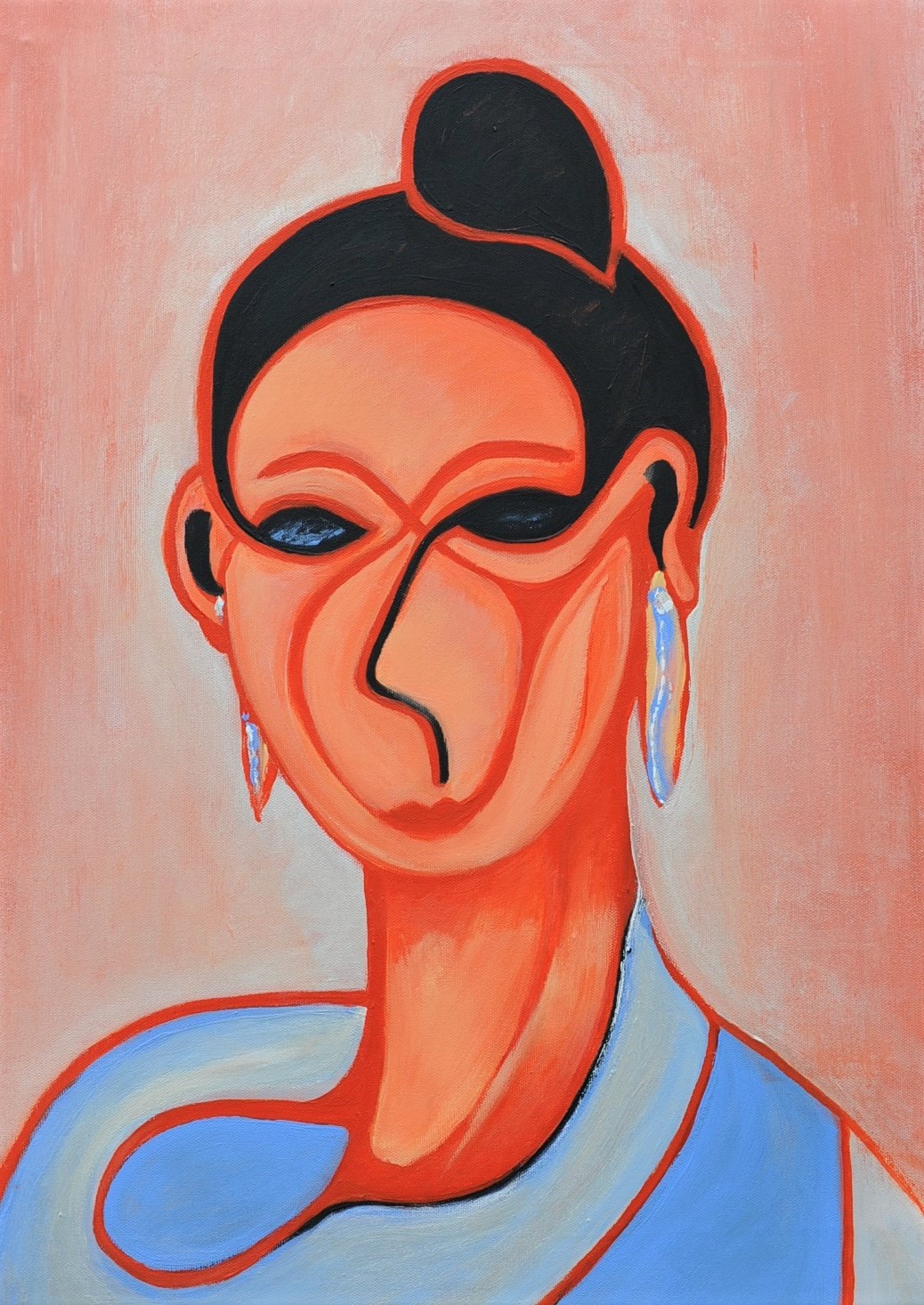
La vita · Le Parche Clementi 2/3
Trieste
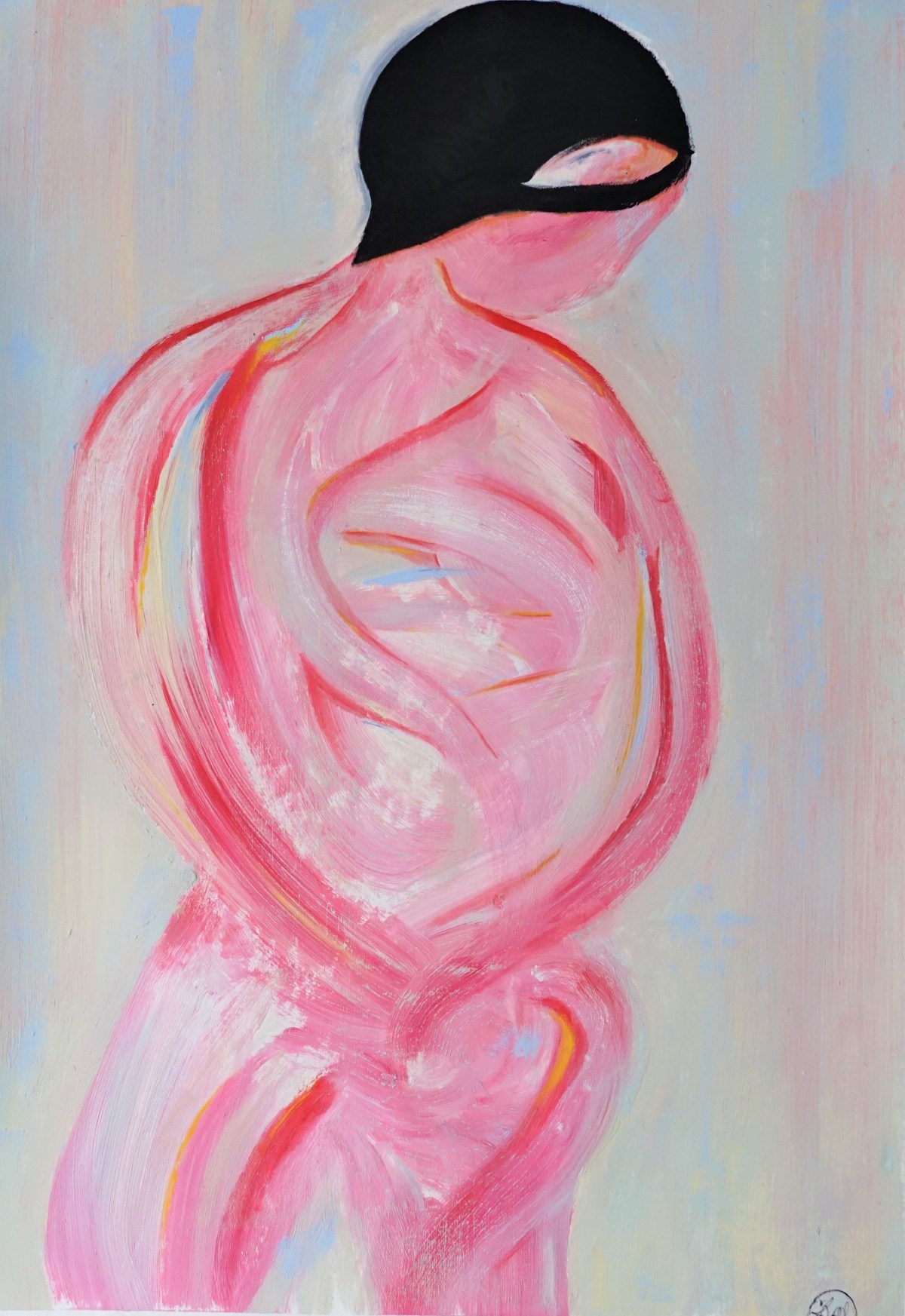
i bagnanti 1/2 · il bagnante
Roma
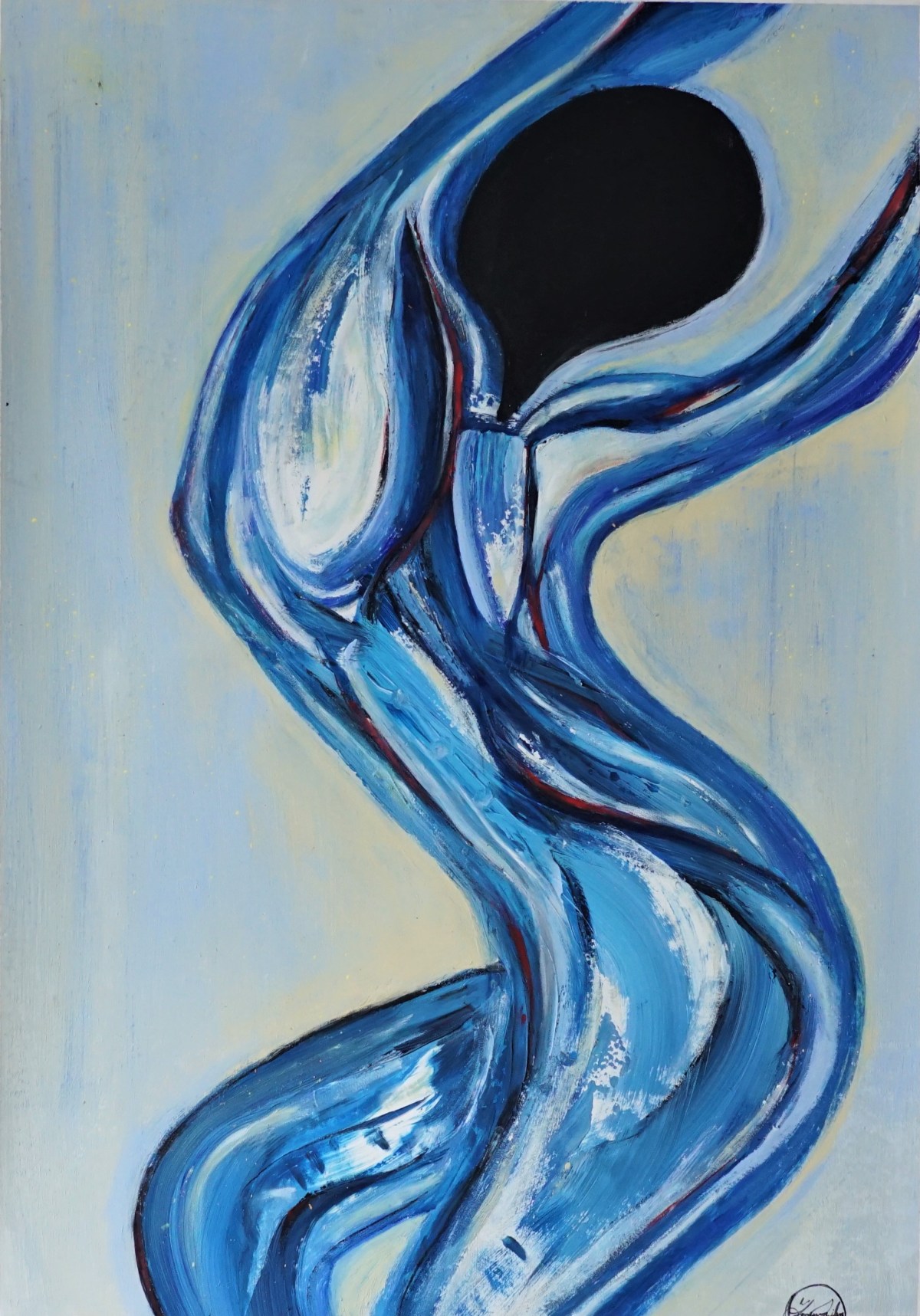
i bagnanti 2/2 · la bagnante
Roma
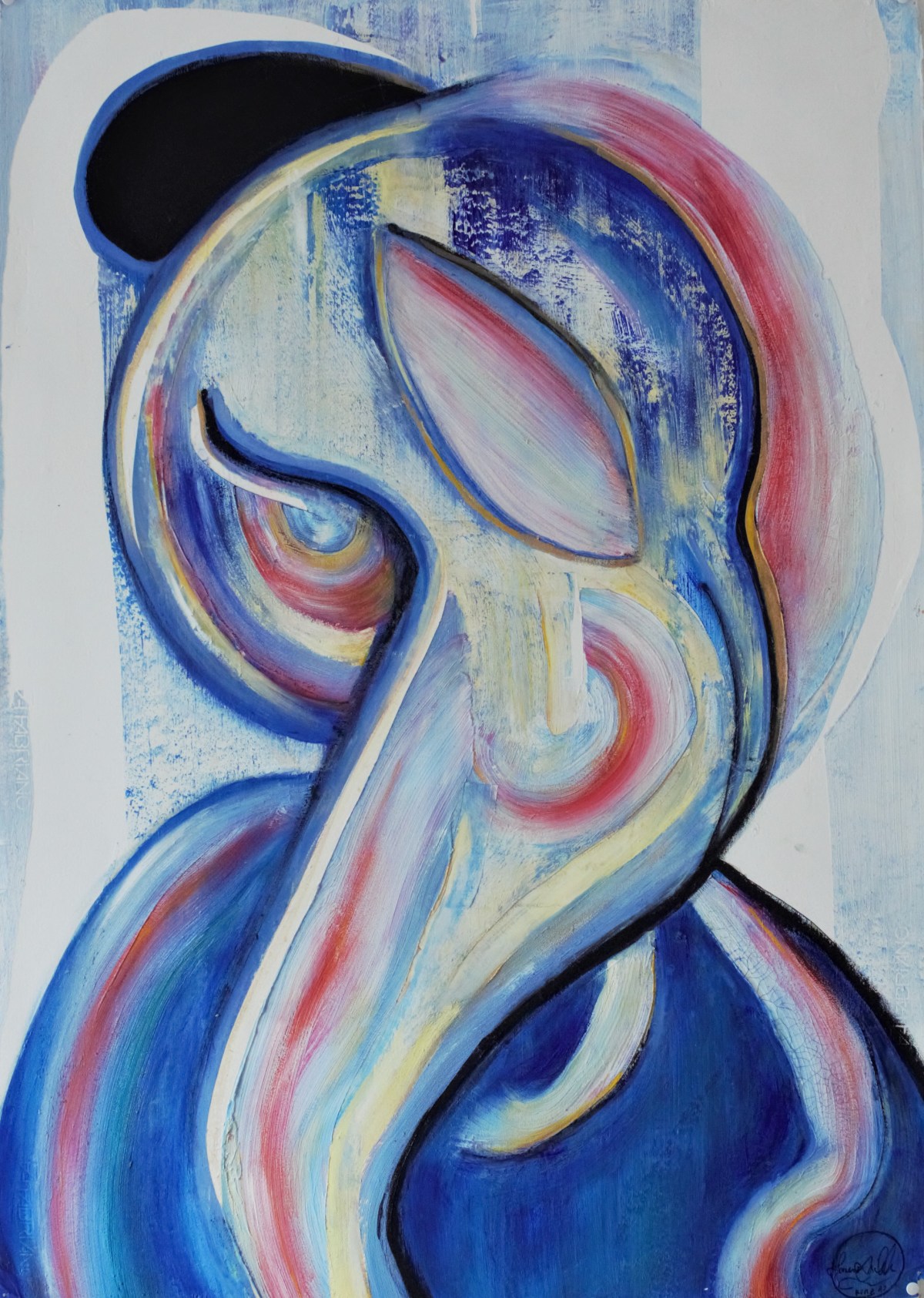
An Elephant in the Room 4/4
Roma
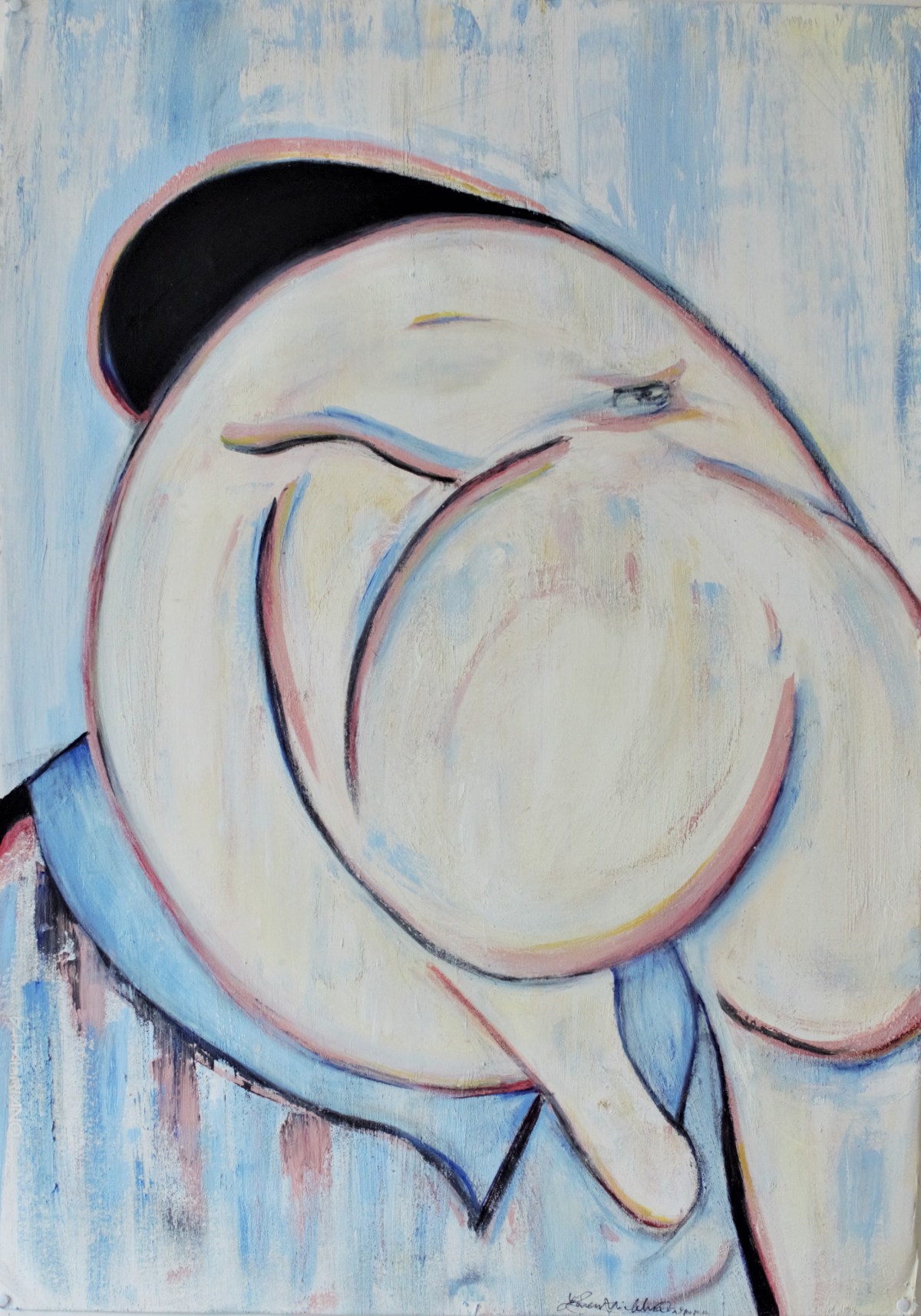
An Elephant in the Room 1/4
Roma
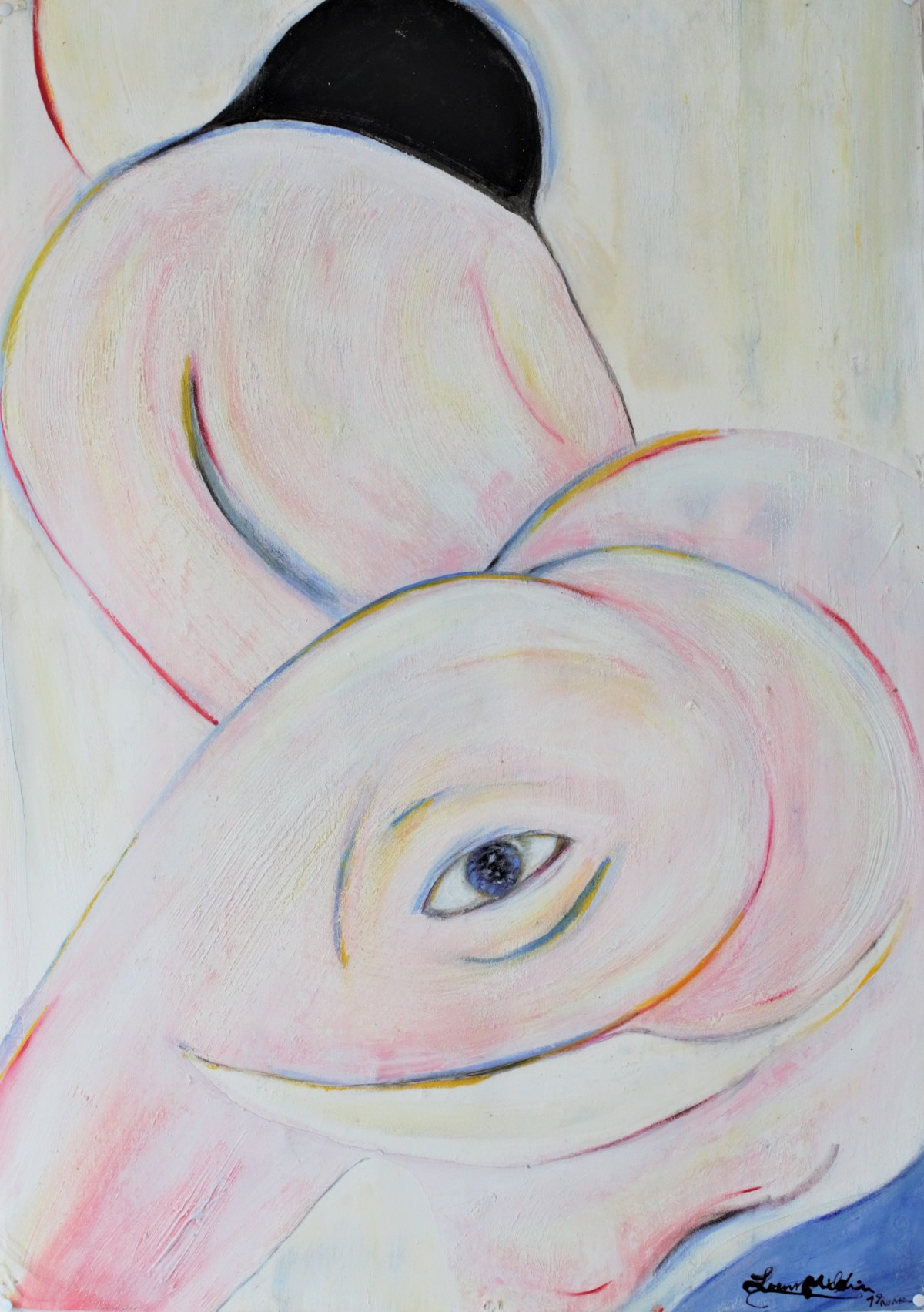
An Elephant in the Room 2/4
Roma
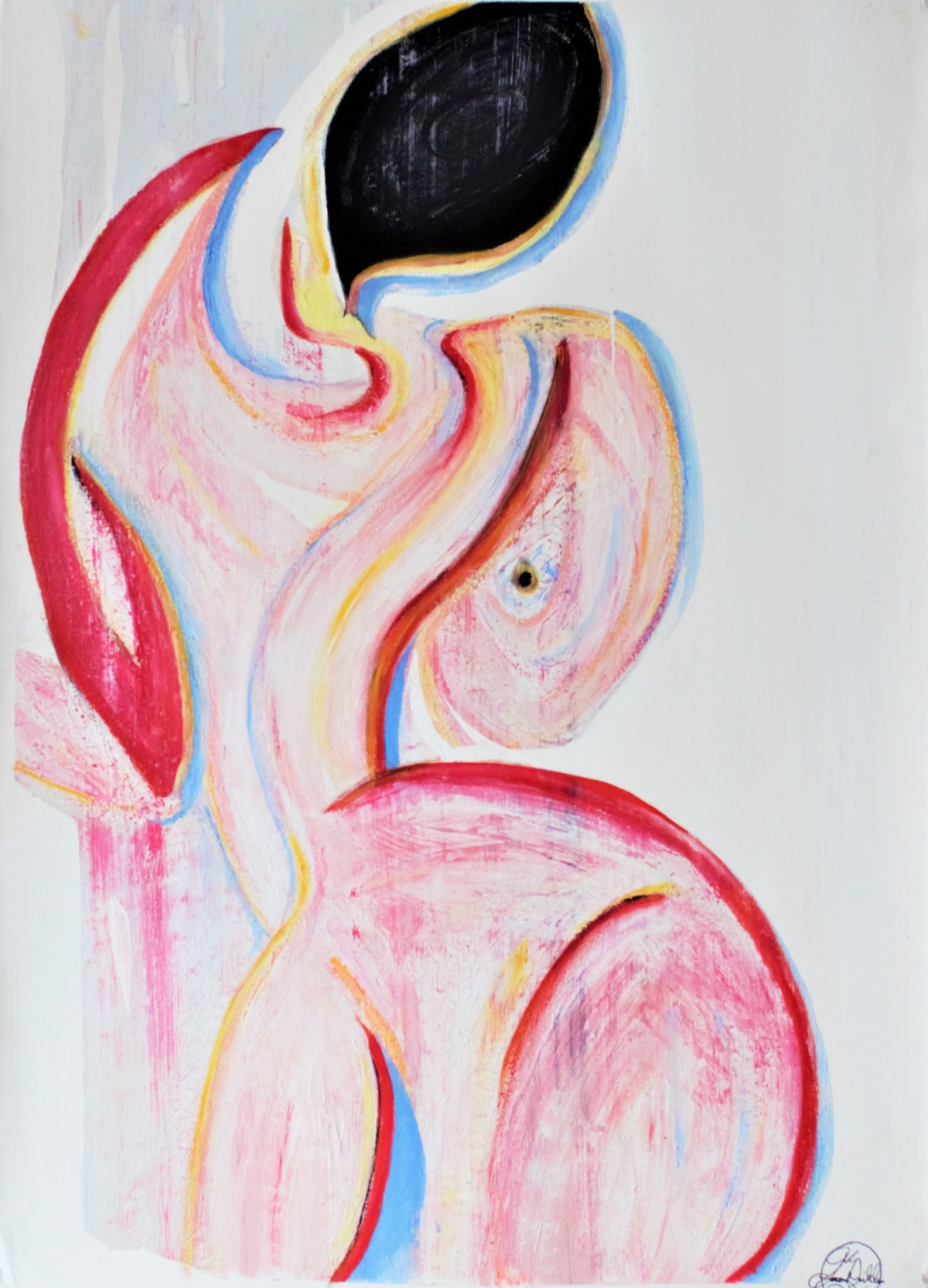
An Elephant in the Room 3/4
Roma
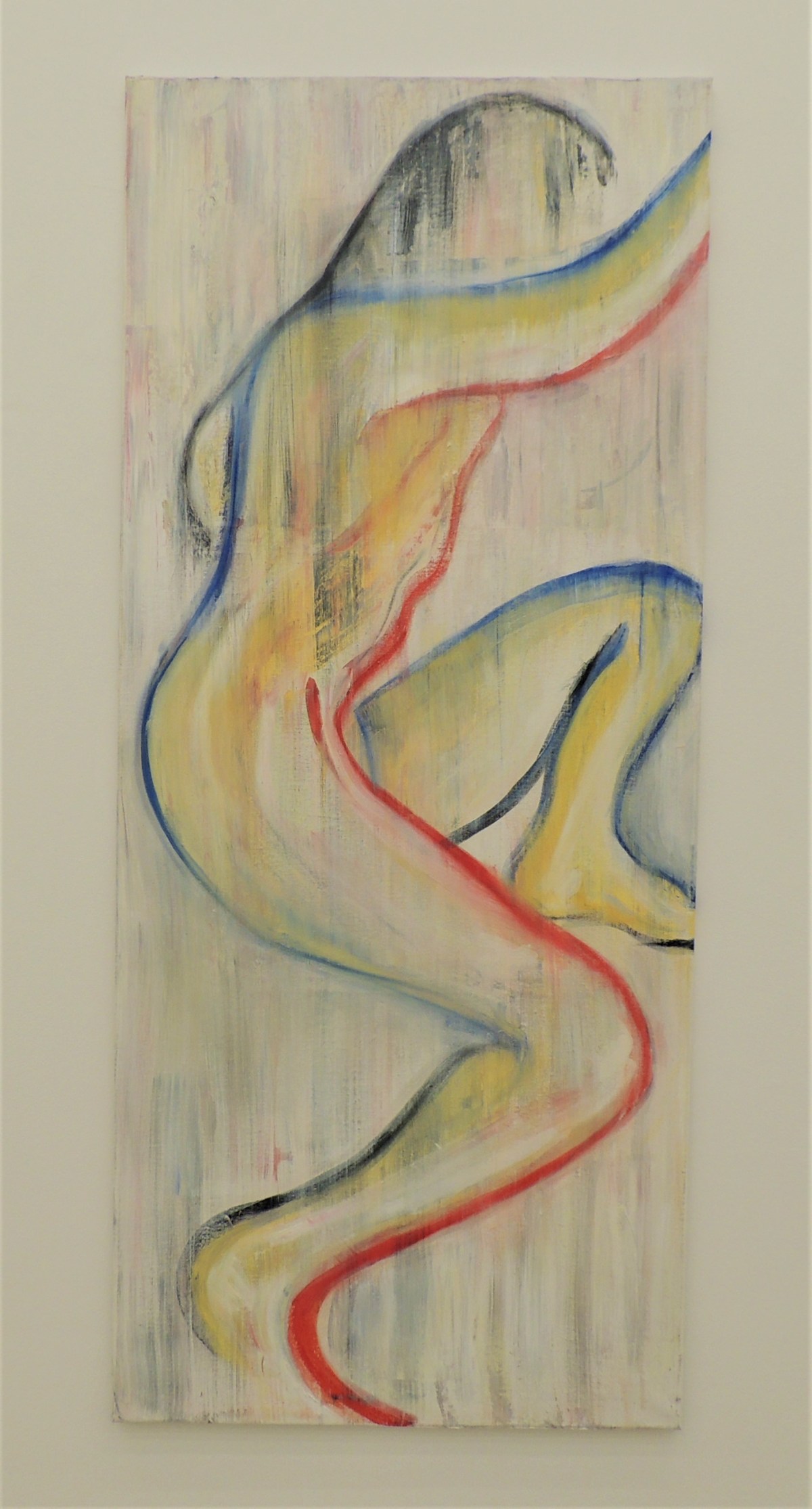
force inquiéte
Roma
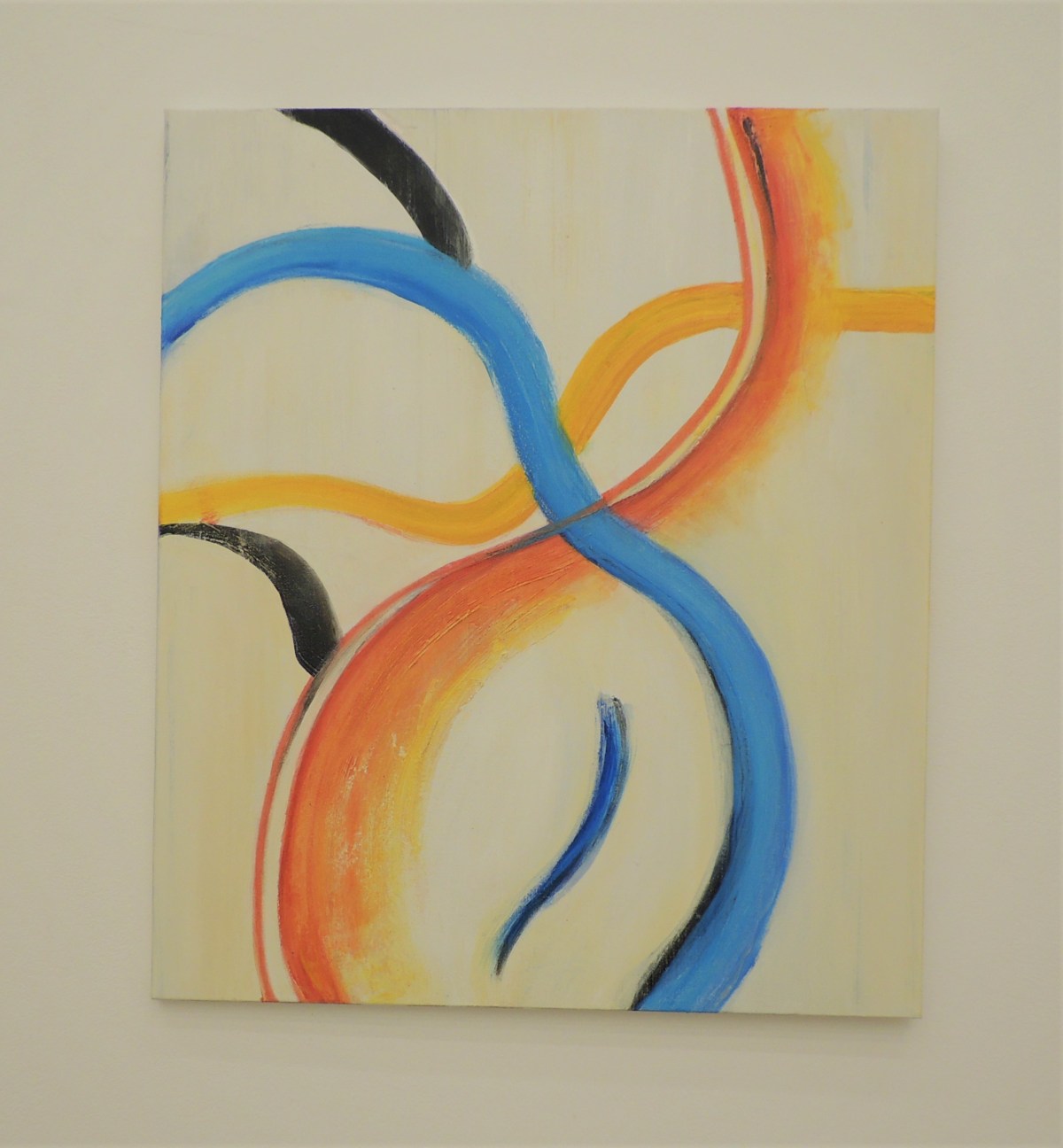
Profilo
Roma
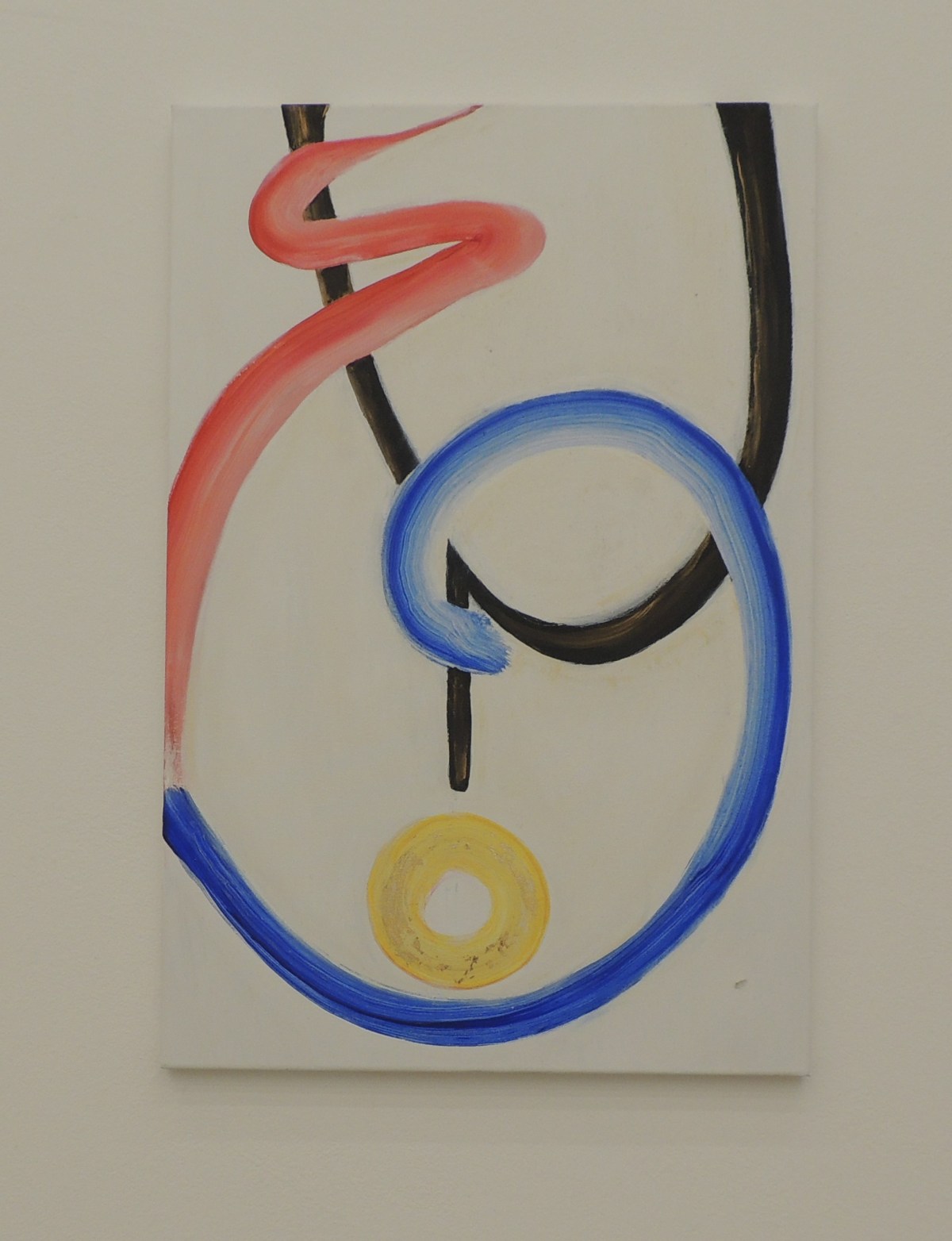
TIME
Roma
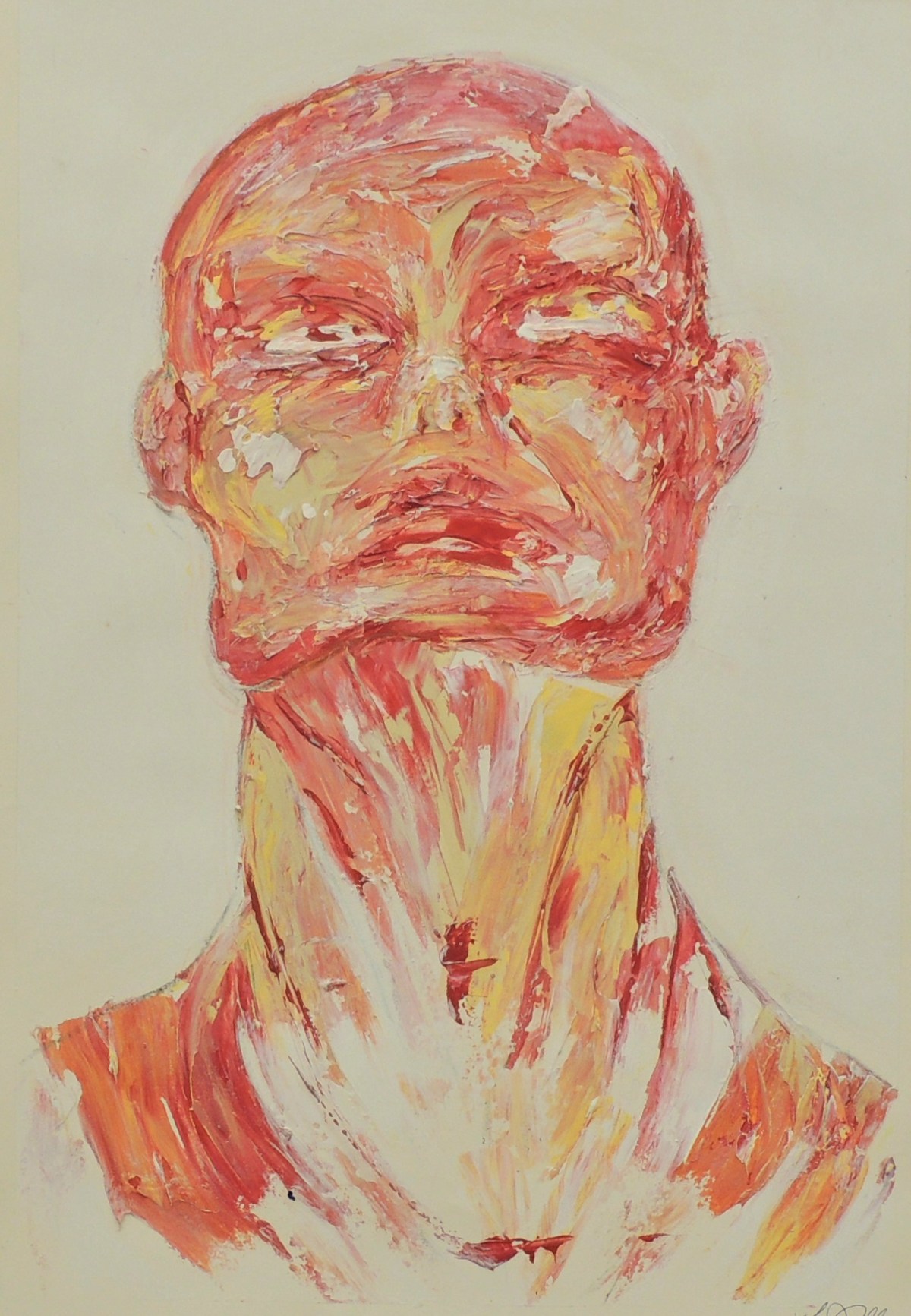
fantasmi
Roma
we are what we watch
I want to take you with me into this exploration of identity, of the unconscious, of memory.
Portraits of the Unknown was born in Rome, between 2018 and 2019, from an urgent need: to observe how the advent of the digital had changed the way we look at each other and at ourselves. I found myself surrounded by faces, real and virtual, and I asked myself what remained of the person once the social mask fell away.
I don’t paint specific bodies. I paint universal states of the soul, emotions as vibration of being. Every face I bring to canvas or paper disintegrates the individual social mask to reveal something that belongs to everyone: the awareness of being, the vibration of life.
My research on these characters proceeds through the study of forms, colors and symbols, searching for a universal representation of being, a communion beyond physicality. I don’t paint portraits in the traditional sense: I paint humanity as a portal, as a projection of possibility.
Each work in this series is a fragment of this investigation. Some faces emerge from darkness, others dissolve into color, others still are caught in a suspended, almost dreamlike moment. There is no single technique or format: oil, acrylic, spray paint, paper, canvas — whatever the specific image asked of me at that moment.
Portraits of the Unknown has traveled with me since Rome: it has been exhibited, it has grown, it has changed as I changed. It remains, to this day, one of the cores of my research as a painter.
I don’t know if you will recognize yourself in these faces. I hope so — that is exactly the point.
we are what we watch, and in these portraits I have tried to give shape to that watching, in an almost metaphysical context and subject.

